


In temperature measurement applications across the aerospace industry and related sectors, expendable thermocouples are a widely used choice for monitoring engines, high-temperature gas paths and other components, thanks to their easy installation, fast response and one-time, ready-to-use design. Among the key considerations, the selection of insulation material directly determines the maximum temperature rating, service life and overall cost. Based on the commonly used insulation materials currently available, four types are typically considered for this application.
Four Common Insulation Materials and Their Temperature Ranges
PTFE (Polytetrafluoroethylene) | Temperature range: 0°C–200°C Offers excellent flexibility and corrosion resistance, and is the preferred choice for low-temperature measurement, especially in applications requiring chemical corrosion resistance at moderate ambient temperatures.
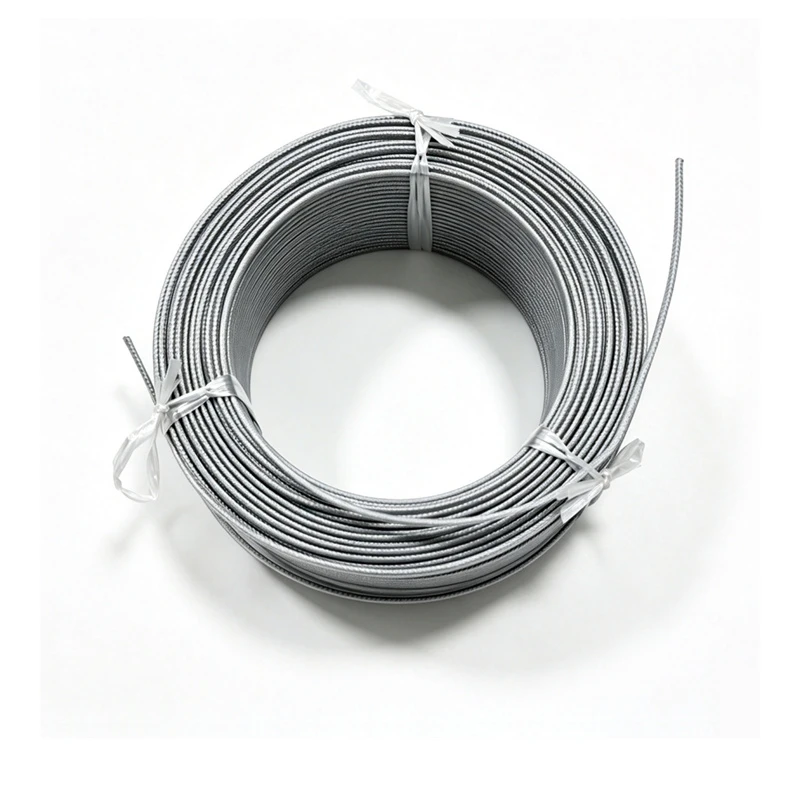
Fiberglass | Temperature range: 0°C–400°C Provides a high cost-performance ratio and suits low-to-mid temperature measurement, meeting the needs of most conventional operating conditions.
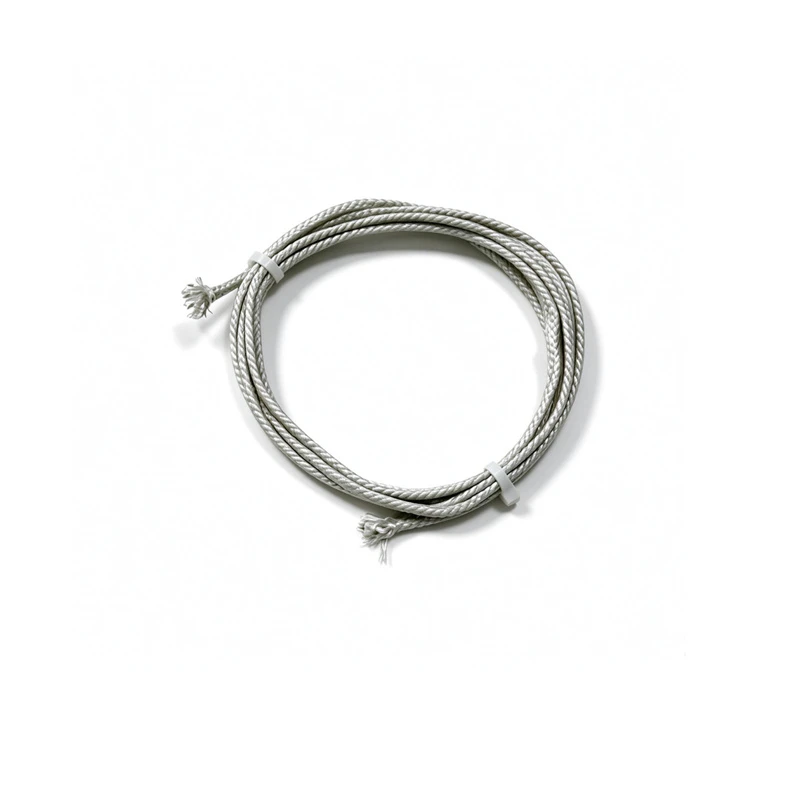
High-Silica Fiber | Temperature range: 0°C–980°C Maintains a favorable cost-performance ratio at elevated temperatures, making it the first choice for high-temperature measurement, balancing performance and cost.
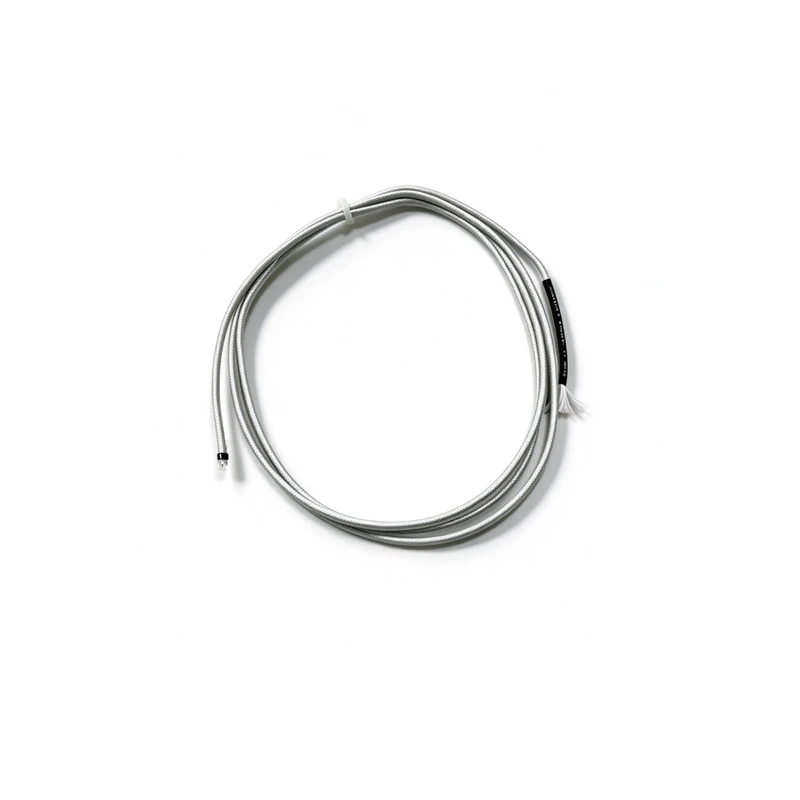
Ceramic Fiber | Temperature range: 0°C–1250°C Relatively higher in cost, yet offers the highest temperature rating among existing insulation materials, suitable for the most demanding high-temperature operating conditions.
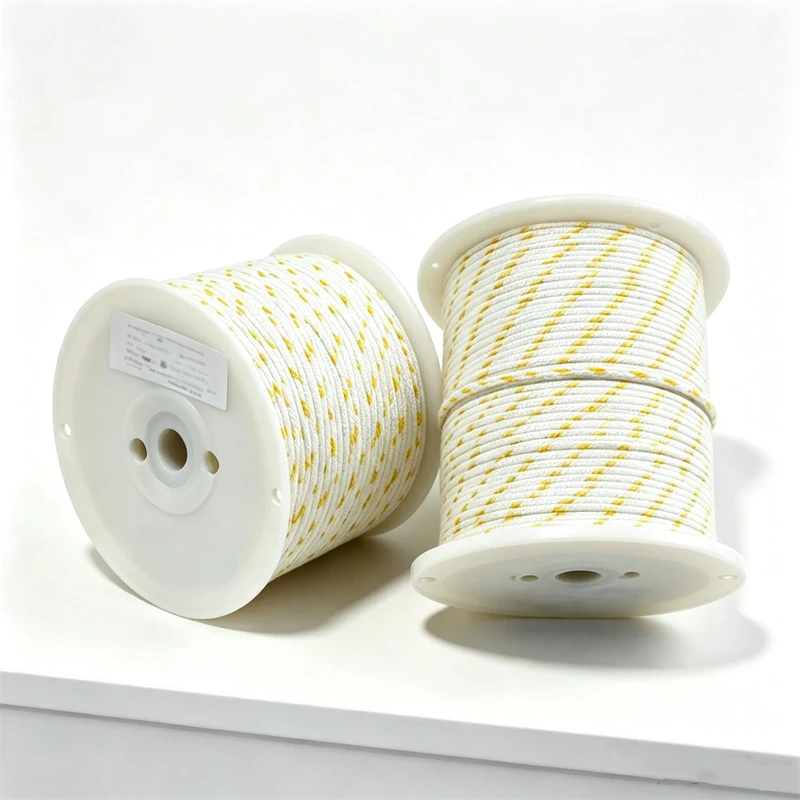
Selection Guidelines
The choice of insulation material should be driven primarily by the actual maximum measurement temperature, with corrosion resistance, flexibility and procurement cost weighed on this basis:
Temperature First: Determine the maximum operating temperature of the medium being measured, ensuring sufficient safety margin below the material's temperature rating, before considering other factors;
Environment Fit: For low-temperature environments with corrosive media, PTFE is a priority; for conventional low-to-mid temperature conditions, fiberglass offers the best balance of cost and performance;
High Temperature with Cost Control: High-silica fiber is the preferred option within 980°C; beyond this range and approaching 1250°C, ceramic fiber is the highest-temperature-rated option among the currently available choices.