


To achieve the best measurement results during the installation and operation of temperature sensors, please observe the following guidelines:
1. Errors Caused by Improper Installation
For example, if the installation position and insertion depth of a thermocouple cannot reflect the true temperature inside the furnace, the measurement will be inaccurate.
Thermocouples should not be installed too close to doors or heating elements.
The insertion depth should be at least 8–10 times the diameter of the protection tube.
Gaps between the thermocouple protection tube and the furnace wall must be sealed with refractory cement, asbestos rope, or other insulating materials to prevent hot air leakage or cold air intrusion, which would compromise accuracy.
The cold junction of the thermocouple should not be too close to the furnace, otherwise its temperature may exceed 100°C.
Installation should avoid strong magnetic and electric fields. Do not route thermocouple cables in the same conduit as power cables to prevent interference errors.
Thermocouples must not be installed in low-flow zones. When measuring gas temperature inside a pipe, install the thermocouple against the flow direction to ensure full contact with the medium.
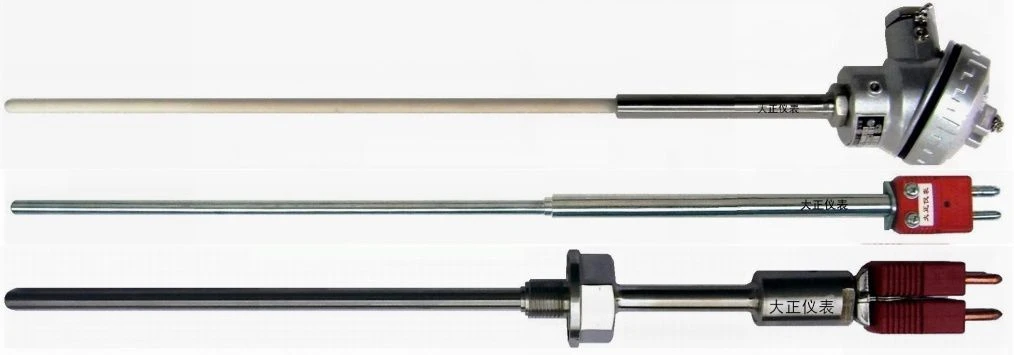
2. Errors Caused by Deteriorated Insulation
Excessive dirt, dust, or salt deposits on the thermocouple, protection tube, or terminal board can cause poor insulation between poles and between the thermocouple and the furnace wall, especially at high temperatures.This not only causes thermoelectric potential loss but also introduces electrical interference, which can result in significant measurement errors.
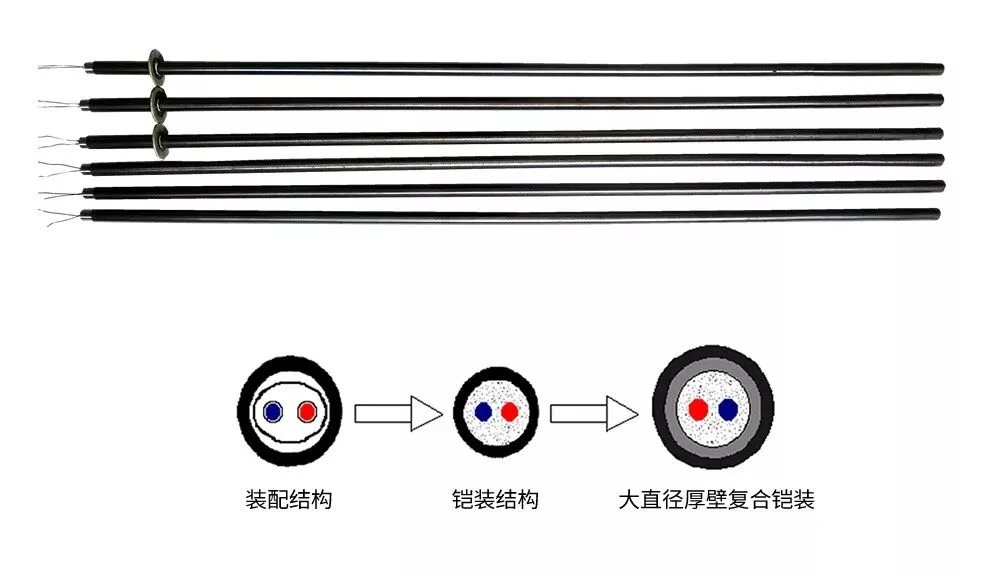
3. Errors Caused by Thermal Inertia
The thermal inertia of a thermocouple causes the instrument reading to lag behind changes in the measured temperature, which is especially critical during rapid measurements.
Use thermocouples with finer electrodes and smaller-diameter protection tubes whenever possible.
If the measurement environment permits, the protection tube can even be removed.
Due to measurement lag, the temperature fluctuation amplitude detected by the thermocouple is smaller than the actual furnace temperature fluctuation. The larger the lag, the greater the deviation.
For accurate measurement, select a thermocouple with a small time constant.To reduce the time constant:
Minimize the size of the hot junction.
Use materials with high thermal conductivity and protection tubes with thin walls and small inner diameters.For high-precision measurements, bare-wire thermocouples (without protection tubes) can be used, but they are fragile and require regular calibration and replacement.
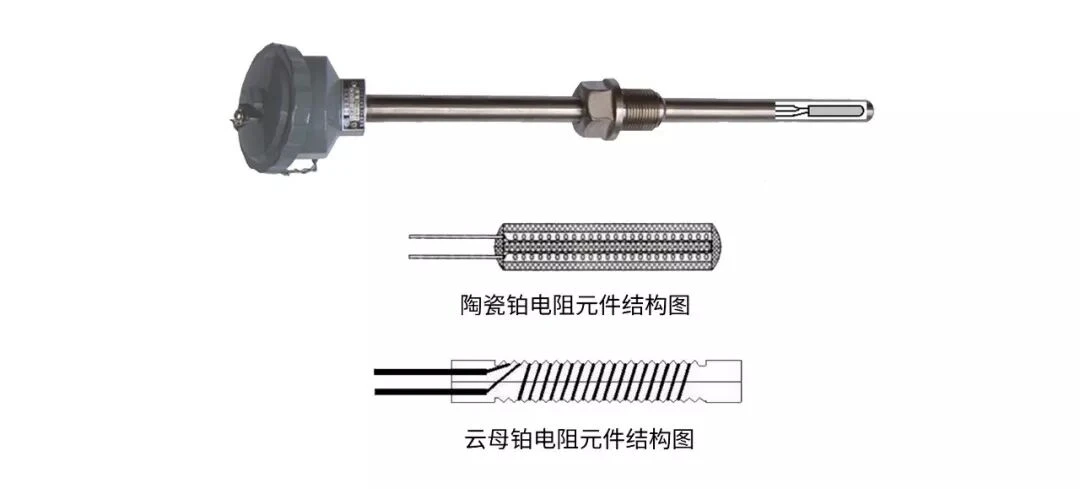
4. Errors Caused by Thermal Resistance
At high temperatures, coal ash, dust, or other deposits on the protection tube increase thermal resistance and hinder heat transfer, causing the displayed temperature to be lower than the actual temperature.Therefore, keep the exterior of the thermocouple protection tube clean to reduce measurement errors.